Qiko: A Simple and Casual Display Font for Versatile Design Use
Qiko is a display font that blends simplicity with elegance, offering designers a clean and approachable typeface suitable for a wide range of applications. Its casual yet refined appearance makes it an appealing choice for both formal and informal design projects. Whether you're creating a website, branding materials, or print media, Qiko provides a balanced aesthetic that can enhance visual communication without overwhelming the viewer.
What Is Qiko?
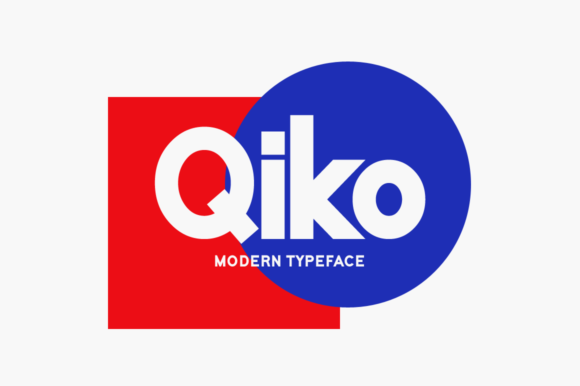
Qiko is a modern sans-serif font designed to be readable and visually pleasing across various mediums. It features a minimalist structure with smooth curves and consistent stroke weights, which contribute to its clean and professional look. The font's character set includes a comprehensive range of letters, numbers, and symbols, making it versatile for different types of content.
The name "Qiko" reflects the font’s emphasis on clarity and simplicity, while its design philosophy focuses on usability in both digital and print environments. Unlike more ornate or decorative fonts, Qiko prioritizes legibility and ease of use, ensuring that text remains clear even at smaller sizes or when viewed from a distance.
Why Consider Using Qiko?
Designers often choose Qiko for its ability to convey a sense of professionalism and approachability. Its subtle details, such as rounded edges and well-proportioned letterforms, create a friendly and inviting atmosphere without sacrificing elegance. This makes it particularly useful for projects that aim to communicate trust, reliability, and accessibility.
Another reason to consider Qiko is its adaptability. It performs well in both short and long-form text, making it suitable for headings, body copy, and captions alike. Its neutral tone allows it to pair effectively with a variety of other fonts and color schemes, giving designers flexibility in their creative choices.
Benefits of Using Qiko
- High Legibility: Qiko is designed with readability in mind, making it ideal for content that needs to be quickly scanned or read over extended periods.
- Versatility: The font works well in both formal and informal contexts, allowing it to be used across a wide range of design applications.
- Modern Aesthetic: Its clean lines and minimalistic style align with contemporary design trends, helping to create a fresh and up-to-date visual identity.
- Wide Compatibility: Qiko supports multiple languages and character sets, making it a practical choice for international projects.
Tradeoffs and Considerations
While Qiko offers many advantages, it may not be the best choice for every situation. For instance, if a project requires a highly stylized or unique visual identity, Qiko’s simplicity might feel too restrained. In such cases, a more decorative or script-based font could better convey the desired tone.
Additionally, Qiko may not be the optimal choice for very small text sizes or low-resolution displays, where its fine details could become less visible. Designers should always test the font in different contexts to ensure it meets their specific needs.
Situations Where Qiko Excels
Qiko is particularly well-suited for projects that prioritize clarity and a professional yet friendly tone. Some common scenarios include:
- Website Design: Qiko can be used for headlines, navigation menus, and body text to create a cohesive and easy-to-read interface.
- Branding Materials: Its clean and approachable look makes it ideal for logos, business cards, and marketing collateral.
- Print Media: From brochures to posters, Qiko ensures that printed text remains legible and visually appealing.
- Presentations and Reports: The font’s readability helps maintain focus on the content rather than the typography itself.
When to Consider Alternatives
Although Qiko is a strong option for many design tasks, there are instances where alternative fonts may be more appropriate. For example, if a project requires a more dramatic or artistic feel, a serif or script font could provide the necessary impact. Similarly, for technical documents or academic papers, a font with greater emphasis on precision and formality might be preferable.
Designers should also consider the target audience when selecting a font. If the intended users are younger or more digitally savvy, Qiko’s modern aesthetic may resonate well. However, for older audiences or traditional industries, a more classic font might be more effective.
Practical Decision-Making Insights
When evaluating whether Qiko is the right font for a project, consider the following factors:
- Project Goals: What message do you want to convey? Does Qiko support that message through its visual characteristics?
- Audience Preferences: Who will be viewing the content? Will they find Qiko’s style appealing and easy to read?
- Design Context: How does Qiko interact with other design elements such as color, imagery, and layout?
- Technical Requirements: Will Qiko perform well in the intended medium (digital, print, etc.) and under various conditions (screen size, resolution)?
By carefully assessing these aspects, designers can make informed decisions about whether Qiko aligns with their specific needs and objectives.
In conclusion, Qiko is a reliable and adaptable font that offers a clean and modern appearance without compromising on readability. While it may not be the best fit for every project, its versatility and user-friendly design make it a valuable addition to any designer’s toolkit. By considering the context, audience, and goals of a design project, creators can determine whether Qiko is the right choice for their work.