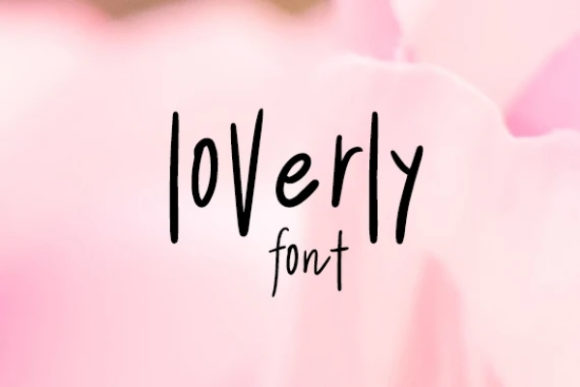
Loverly Font: A Versatile Display Font for Modern Design Needs
Loverly is an adorable display font that brings a sense of warmth and approachability to any design project. With its friendly feel and distinctive character, it has become a popular choice among designers looking to create visuals that stand out while maintaining a personal touch. Whether you're designing logos, invitations, or headlines, Loverly offers a unique aesthetic that can elevate your work.
What Makes Loverly Stand Out?
Loverly’s charm lies in its soft curves and gentle strokes, which give it an inviting appearance. This font is particularly well-suited for projects that require a balance between professionalism and playfulness. Its clean lines and readable structure ensure that it remains legible even at smaller sizes, making it a versatile option across various media.
One of the key features of Loverly is its ability to convey emotion effectively. The subtle flourishes and rounded edges contribute to a friendly and approachable vibe, making it ideal for branding that aims to connect with audiences on a personal level. This emotional resonance is especially valuable in industries such as lifestyle, wellness, and children's products, where a warm and welcoming image is essential.
Comparing Loverly with Similar Fonts
When considering display fonts, it's important to evaluate how they compare in terms of style, versatility, and application. Loverly shares similarities with other cursive and script fonts but distinguishes itself through its readability and adaptability.
Fonts like Great Vibes or Playfair Display are also known for their elegant and stylish appearance. However, these fonts may lack the same level of friendliness and approachability that Loverly offers. While Great Vibes is more ornate and suited for formal occasions, Loverly strikes a balance between sophistication and casual charm, making it suitable for a broader range of applications.
In comparison to sans-serif fonts like Helvetica or Arial, Loverly provides a more expressive alternative without sacrificing clarity. Sans-serif fonts are excellent for body text and digital interfaces, but when it comes to headlines or logos, Loverly's unique personality adds visual interest and emotional appeal.
Best-Fit Situations for Using Loverly
Loverly shines in scenarios where a friendly and engaging tone is desired. It is particularly effective in the following contexts:
- Logos and Branding: Loverly can help create a memorable brand identity by adding a personal and welcoming touch. It works well for businesses that want to appear approachable and customer-focused.
- Event Invitations: Whether it's a wedding, birthday party, or corporate event, Loverly adds a sense of warmth and celebration to invitations, making them more visually appealing.
- Headlines and Titles: In publications, websites, or marketing materials, Loverly can be used to draw attention to key messages without overwhelming the reader.
- Product Packaging: For products targeting younger demographics or those focused on lifestyle and wellness, Loverly can enhance the packaging design with a friendly and inviting look.
However, it's important to consider the context before using Loverly. In highly technical or formal environments, such as legal documents or scientific reports, a more traditional font might be more appropriate. Loverly is best reserved for creative and expressive applications where its character can shine.
Evaluating Strengths and Limitations
Like any font, Loverly has its strengths and limitations. On the positive side, it is highly versatile, readable, and emotionally engaging. Its friendly appearance makes it easy to use in a variety of design contexts, from print to digital media.
One limitation to consider is that Loverly may not be the best choice for long blocks of text. As a display font, it is designed to grab attention rather than provide extended reading comfort. Therefore, it is recommended to pair Loverly with a complementary sans-serif or serif font for body text to maintain readability and visual harmony.
Additionally, while Loverly is available in multiple weights and styles, it may not offer the same level of customization as some premium font families. Designers who require extensive typographic control may need to explore additional options depending on their specific needs.
When to Choose Loverly Over Other Options
Choosing the right font depends on the specific requirements of your project. Loverly is an excellent choice when you want to add a friendly and approachable tone to your design. It is particularly well-suited for brands that prioritize connection and engagement with their audience.
If your project requires a more formal or professional appearance, you may need to consider alternatives such as Georgia or Times New Roman. These fonts offer a classic and timeless look that is often preferred in academic, legal, or corporate settings.
For creative projects that benefit from a unique and expressive style, Loverly is an outstanding option. It allows designers to express creativity while maintaining a level of professionalism that ensures the message remains clear and impactful.
Practical Examples of Loverly in Action
To better understand how Loverly can be used, consider the following examples:
- Logo Design: A boutique coffee shop could use Loverly for its logo to create a warm and inviting brand image that resonates with customers.
- Wedding Invitations: A couple planning a wedding might choose Loverly for their invitations to add a romantic and heartfelt touch to the design.
- Blog Headlines: A lifestyle blog could use Loverly for its headlines to make articles more engaging and visually appealing to readers.
These examples illustrate how Loverly can be adapted to different contexts while maintaining its core characteristics of friendliness and approachability.
In conclusion, Loverly is a versatile and expressive font that can enhance a wide range of design projects. Its unique combination of readability and emotional appeal makes it a valuable addition to any designer's toolkit. By understanding its strengths, limitations, and best-fit situations, you can make an informed decision about whether Loverly is the right choice for your next project.