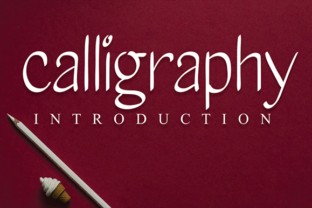
Calligraphy: The Timeless Art of Elegant Expression
The Beauty of Calligraphy in Modern Design
Calligraphy, the art of beautiful writing, has stood the test of time. It’s not just about writing letters—it’s about creating visual poetry that captures attention and evokes emotion. Whether you're designing a logo, crafting an invitation, or simply looking for a unique font for your Instagram posts, calligraphy offers a level of charm and elegance that few other styles can match.
In today's digital age, where everything from text messages to social media posts is typed at lightning speed, the deliberate strokes of a calligrapher bring a sense of authenticity and craftsmanship back into the mix. This makes calligraphy more than just an artistic pursuit—it’s a powerful tool for personal expression and professional branding.
Why Calligraphy Fonts Are Perfect for Instagram
Instagram is all about visuals, and with over a billion active users, standing out in the feed is no easy task. That's where calligraphy fonts come in. Their flowing lines and intricate details make them ideal for captions, quotes, and even post titles that need to catch the eye.
Many Instagrammers use calligraphy fonts to create a cohesive aesthetic across their profiles. These fonts are especially popular in niches like fashion, lifestyle, and art. A well-chosen calligraphy script can instantly elevate the look of any post, making it feel more personal and artistic.
- Handwritten Feel: Calligraphy fonts give your content a handwritten, personal touch that feels more authentic.
- Visual Appeal: The elegant curves and flourishes of these fonts make them visually appealing and easy to spot on a busy feed.
- Brand Identity: Using consistent calligraphy fonts across your profile helps build a strong brand identity and style.
For those who want to experiment, there are countless free and premium calligraphy fonts available online. Platforms like Google Fonts, DaFont, and Font Squirrel offer a wide variety of options that can be easily downloaded and used in graphic design software or directly on Instagram using text overlays.
Calligraphy Scripts for DIY Projects
Calligraphy isn’t limited to digital platforms. In fact, it's a fantastic addition to any DIY project. From handmade cards to custom wall art, the possibilities are endless when you incorporate calligraphy into your creative work.
One of the most popular uses of calligraphy in DIY projects is creating personalized invitations. Whether it's for a wedding, birthday, or special event, a beautifully written invitation adds a touch of sophistication and care that mass-produced ones often lack.
Another great way to use calligraphy is in home decor. Many people enjoy creating custom signs, wall art, or even framed quotes using calligraphy. These pieces not only add personality to a space but also serve as a conversation starter.
- Tools You'll Need: To get started with calligraphy, you’ll need some basic tools like a pen, paper, and ink. Beginners often start with brush pens or felt-tip markers before moving on to traditional dip pens.
- Practice Makes Perfect: Like any skill, calligraphy requires practice. Start with simple strokes and gradually move on to more complex letterforms.
- Online Tutorials: There are many online tutorials and courses that can help you learn the basics of calligraphy. YouTube and Skillshare are excellent resources for beginners.
If you’re looking for inspiration, consider exploring the works of famous calligraphers like Edward Johnston, whose influence can still be seen in modern typography. His designs have been adapted into many fonts used today, showing how timeless and versatile calligraphy truly is.
How Calligraphy Fits Into Modern Workflows
Despite its traditional roots, calligraphy has found a place in modern workflows across various industries. Designers, marketers, and even tech professionals use calligraphy elements to enhance their projects and communications.
In marketing, calligraphy is often used in branding to create a unique visual identity. Logos that incorporate calligraphic elements stand out and convey a sense of elegance and professionalism. This is especially true in industries like luxury goods, fashion, and hospitality, where aesthetics play a crucial role.
For web designers, calligraphy fonts can be used sparingly to add a decorative touch without compromising readability. When used correctly, they can enhance the user experience by making the content more engaging and visually appealing.
Even in the world of technology, calligraphy has made an impact. For example, Apple's iconic "Helvetica Neue" font was inspired by calligraphic principles, showing how this ancient art form continues to influence modern design trends.
Practical Benefits of Incorporating Calligraphy
Beyond its aesthetic appeal, calligraphy offers several practical benefits that make it a valuable skill to learn. One of the most obvious advantages is its ability to improve focus and concentration. The slow, deliberate nature of calligraphy requires patience and attention to detail, which can be beneficial for mental health and cognitive development.
For students and professionals alike, learning calligraphy can also be a great way to relieve stress. The act of writing by hand has been shown to reduce anxiety and promote mindfulness. This makes calligraphy a useful tool for anyone looking to incorporate more creativity and relaxation into their daily routine.
Another benefit of calligraphy is its versatility. Whether you're using it for personal projects or professional purposes, there's always a way to adapt it to suit your needs. From creating custom logos to designing wedding invitations, the applications are nearly limitless.
Moreover, calligraphy can be a great way to connect with others. Many people enjoy sharing their work with friends and family, and there's something deeply satisfying about seeing your handwriting displayed proudly on a poster or in a greeting card.
Considerations Before Choosing a Calligraphy Style
While calligraphy is a beautiful art form, it's important to consider a few factors before choosing a particular style or font. First and foremost, think about the purpose of your project. If you're designing a logo, you'll want a font that's both elegant and legible. On the other hand, if you're creating a piece of artwork, you may have more freedom to experiment with different styles and techniques.
Another consideration is the medium you'll be using. Some calligraphy styles are better suited for certain materials than others. For example, brush scripts work well on paper but may not translate as well to digital formats. Conversely, some digital fonts are designed specifically for screen use and may not look as good when printed.
Finally, think about the audience you're trying to reach. If your project is intended for a younger demographic, you may want to choose a more contemporary and playful style. However, if your audience is more mature or professional, a classic and refined calligraphy style might be more appropriate.
No matter what you choose, remember that the key to successful calligraphy is practice and experimentation. Don't be afraid to try new things and find a style that resonates with you. After all, calligraphy is as much about personal expression as it is about technical skill.