Blue: A Font That Transforms Design with Timeless Elegance
The Art of Typography in Modern Design
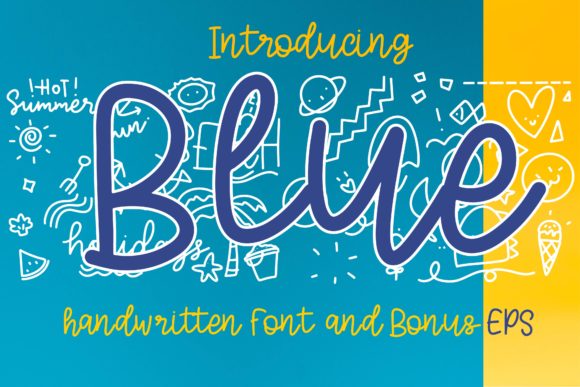
Typography is more than just choosing a font—it's about crafting an experience. The right typeface can convey emotion, professionalism, or creativity, depending on the context. Among the many fonts available, Blue stands out as a unique display font that combines elegance with authenticity. Designed with a touch of calligraphic finesse, Blue has become a favorite among designers for its ability to elevate visual projects across various industries.What Makes Blue Unique?
Blue is not just another font; it's a carefully crafted tool that brings a sense of sophistication and individuality to any design. Unlike generic sans-serif or serif fonts, Blue incorporates subtle curves and variations that mimic the natural flow of hand-drawn calligraphy. This gives it a distinctive character that feels both modern and classic.
One of the most striking features of Blue is its versatility. It works equally well in high-end branding, wedding invitations, and even digital interfaces. Whether you're designing a logo, a poster, or a website header, Blue adds a layer of refinement that sets your project apart from the rest.
Applications of Blue Across Industries
Given its elegant yet approachable style, Blue finds its place in a wide array of design applications. Here are some of the most common uses:
- Branding: Businesses looking to establish a premium image often turn to Blue for logos, business cards, and packaging. Its refined look conveys trustworthiness and exclusivity.
- Wedding Designs: From invitations to thank-you cards, Blue adds a personal and artistic touch that makes each piece feel special and memorable.
- Headings and Titles: In web design and print media, Blue is frequently used for headlines due to its readability and visual impact.
- Logos and Labels: The font's clean lines and organic curves make it ideal for creating logos that stand out without being overwhelming.
- Signatures and Monograms: Blue’s calligraphic elements lend themselves beautifully to handwritten-style signatures, giving them a more personal and authentic feel.
Why Designers Choose Blue
Designers appreciate Blue for several reasons. First, it offers a balance between formality and creativity. While it has the structure of a traditional typeface, it also carries the warmth of hand-drawn artistry. This duality allows it to fit into both professional and creative contexts seamlessly.
Another reason is its scalability. Blue maintains its elegance whether it's rendered in large sizes for banners or small sizes for body text. This adaptability ensures that it remains legible and visually appealing across different mediums.
Moreover, Blue is easy to integrate into design workflows. It supports a variety of file formats and is compatible with most graphic design software, making it accessible to both beginners and professionals alike.
Considerations When Using Blue
While Blue is a powerful font, it's important to use it thoughtfully. Like any display font, it should be reserved for headings or short bursts of text rather than long paragraphs. Overusing it can lead to visual fatigue and reduce readability.
It's also worth considering the context in which Blue will be used. For example, while it may be perfect for a luxury brand, it might not be the best choice for a tech startup aiming for a more minimalist aesthetic. Understanding the tone and audience of your project will help you determine if Blue is the right fit.
Finally, pairing Blue with complementary fonts can enhance its impact. A simple sans-serif font like Helvetica or Arial can serve as a great contrast, allowing Blue to shine without overshadowing the overall design.
Real-World Examples of Blue in Action
Taking a closer look at real-world examples helps illustrate how effective Blue can be when used correctly. One notable case is a boutique hotel that redesigned its branding using Blue for its logo and marketing materials. The result was a cohesive, elegant identity that resonated with its target audience of discerning travelers.
In another instance, a wedding planner used Blue to create custom invitations and signage for a client's big day. The font added a personal and artistic flair that made the event feel truly unique and memorable.
Even in digital spaces, Blue has found a home. A lifestyle blog used Blue for its article titles and section headers, enhancing the visual hierarchy and making the content more engaging for readers.
The Future of Blue in Design
As design trends continue to evolve, the demand for fonts that offer both uniqueness and usability will only grow. Blue is well-positioned to remain a staple in the designer's toolkit due to its timeless appeal and adaptability.
With advancements in digital typography, we can expect to see more variations of Blue emerge—perhaps bold versions for emphasis, or lighter weights for subtler applications. These developments will further expand the font's utility across different design scenarios.
For now, Blue continues to inspire creators and professionals who value aesthetics without sacrificing functionality. Its blend of elegance and practicality makes it a valuable asset in the ever-changing world of design.