Soca: A Vintage-Inspired Font That Breathes Nostalgia into Modern Design
The Origins and Aesthetic of Soca
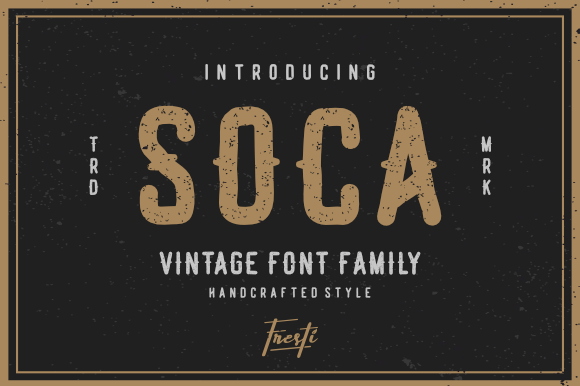
Soca is a display font that draws inspiration from the typographic styles of the mid-20th century. Its name, Soca, hints at its roots in a bygone era, where typography was often hand-crafted and imbued with character. This font brings back the charm of old-school lettering, making it an ideal choice for designers looking to evoke a sense of nostalgia without compromising on modern usability.
What sets Soca apart is its ability to blend vintage aesthetics with contemporary design principles. The strokes are slightly rounded, reminiscent of classic serif fonts, yet they maintain a clean, readable structure that works well in both print and digital formats. This unique balance makes it versatile enough to be used across various media and platforms.
Key Characteristics of Soca
Soca is more than just a font—it's a statement. Here are some of its defining characteristics:
- Vintage Style: The font features subtle serifs and a soft, organic feel that mirrors the typography found in retro advertisements, posters, and book covers.
- Playful Nostalgia: Soca carries a whimsical energy that can instantly transport viewers to a simpler time, making it perfect for branding that wants to evoke warmth and familiarity.
- Versatile Weight Options: Available in multiple weights, Soca allows designers to adjust the visual impact depending on the context—lightweight for subtle accents or bold for eye-catching headlines.
- High Legibility: Despite its vintage flair, Soca remains highly legible even at smaller sizes, ensuring it’s suitable for body text when needed.
These characteristics make Soca a valuable asset in a designer's toolkit, especially when the goal is to create something that feels both timeless and current.
Practical Use Cases for Soca
Soca's aesthetic appeal opens up a wide range of applications across different industries. Here are a few practical use cases where this font shines:
Brand Identity and Logo Design
For brands aiming to convey a sense of heritage or tradition, Soca can serve as the foundation for logos and brand identities. Its vintage style aligns well with companies that want to appear authentic and trustworthy, such as artisanal food brands, vintage clothing lines, or antique shops.
Example: A boutique coffee shop might use Soca in its logo to evoke the feeling of a cozy, neighborhood café with a rich history.
Marketing Materials and Advertising
Soca is particularly effective in advertising campaigns that aim to capture attention through visual storytelling. Whether it's used in posters, billboards, or social media ads, the font's nostalgic vibe can help create an emotional connection with the audience.
Example: A music festival promoting a throwback event could use Soca in its promotional materials to emphasize the theme of revisiting the past through music and culture.
Web and Digital Design
In web design, Soca can be used to add a touch of personality to websites that focus on lifestyle, entertainment, or creative industries. It works well in headers, call-to-action buttons, and other interactive elements that need to stand out while maintaining a cohesive look.
Example: A blog about retro fashion might use Soca in its header and subheadings to reinforce the theme and create a unified visual experience for readers.
Print Media and Packaging
When designing packaging or print media, Soca can enhance the visual appeal of products that target consumers looking for a nostalgic or artisanal experience. From product labels to packaging inserts, the font adds a layer of sophistication and charm.
Example: A line of handmade candles could feature Soca on its packaging to suggest a warm, inviting atmosphere that aligns with the product's purpose.
Advantages of Using Soca in Design Projects
While many fonts are available, what makes Soca stand out is its ability to deliver a strong visual impact without overwhelming the viewer. Here are some key advantages of using Soca in your design projects:
- Emotional Resonance: Soca has the power to elicit emotions tied to memory and experience, which can be a powerful tool in branding and marketing.
- Timeless Appeal: Unlike trendy fonts that may fall out of favor quickly, Soca's vintage style ensures that it remains relevant and stylish over time.
- Design Flexibility: With its varied weights and stylistic options, Soca can be adapted to fit a wide range of design needs, from minimalist layouts to elaborate compositions.
- Strong Visual Hierarchy: The font's distinct shapes and proportions help establish a clear visual hierarchy, making it easier for viewers to navigate and understand the content.
These advantages highlight why Soca is not just another font but a strategic design choice that can elevate the overall quality of a project.
Considerations When Using Soca
While Soca offers numerous benefits, there are a few considerations to keep in mind when incorporating it into your designs:
Readability at Small Sizes: Although Soca is highly legible, it's best suited for larger text sizes. For body copy, it's recommended to pair it with a more straightforward sans-serif font to ensure readability.
Color Contrast: To maximize the impact of Soca, it's important to choose colors that provide good contrast. Darker backgrounds work well with lighter versions of the font, while lighter backgrounds suit bolder weights.
Contextual Relevance: Soca should be used in contexts where its vintage aesthetic aligns with the message or theme. Misusing it in inappropriate settings can lead to confusion or dilute its intended effect.
Licensing and Usage Rights: Always ensure that you have the appropriate license to use Soca in commercial projects. Some fonts require attribution or are restricted to personal use only.
By keeping these considerations in mind, you can effectively leverage Soca to enhance your design projects while avoiding common pitfalls.
Real-World Examples of Soca in Action
To better understand how Soca can be applied in real-world scenarios, let's take a look at a few examples:
Case Study 1: Retro-Themed Restaurant Branding
A new restaurant specializing in classic American cuisine wanted to create a brand identity that reflected its menu's traditional roots. The team chose Soca for its logo and signage, giving the space a warm, welcoming feel that resonated with customers seeking an authentic dining experience.
Case Study 2: Music Album Artwork
An independent musician released an album with a vintage sound and decided to use Soca in the artwork. The font's playful nostalgia complemented the music's style, helping to attract fans who appreciated the retro vibe.
Case Study 3: Vintage-Inspired Book Covers
A publishing house launched a series of books focused on historical events and used Soca for the cover titles. The font added a sense of timelessness, making the books more appealing to readers interested in history and literature.
These examples demonstrate how Soca can be integrated into various design contexts to achieve specific goals and enhance the overall user experience.
Final Thoughts on Soca
Soca is a font that bridges the gap between the past and the present, offering a unique blend of vintage charm and modern functionality. Its versatility, emotional resonance, and strong visual appeal make it a valuable addition to any designer's repertoire.
Whether you're working on a brand identity, advertising campaign, or digital design project, Soca can help you create something that stands out while staying true to your vision. By understanding its characteristics, advantages, and limitations, you can use it effectively to enhance your designs and connect with your audience on a deeper level.