Muffin: A Playful Display Font for Creative and Educational Projects
When it comes to typography, the right font can transform a simple message into something engaging and memorable. Muffin is a playful display font that brings a sense of fun and creativity to any design. Whether you're working on a school project, a marketing campaign, or a personal creative endeavor, Muffin adds a unique touch that captures attention and sparks imagination.
Understanding Muffin and Its Unique Style
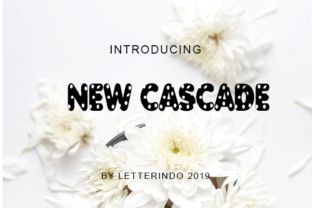
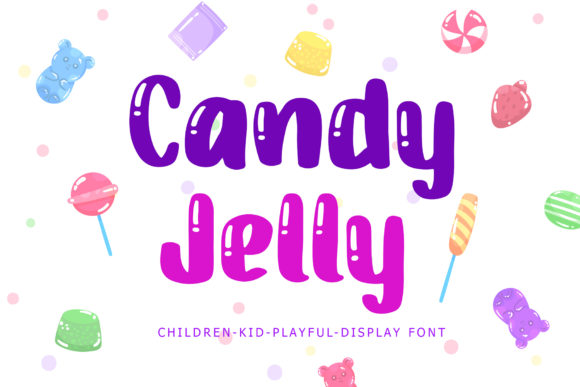
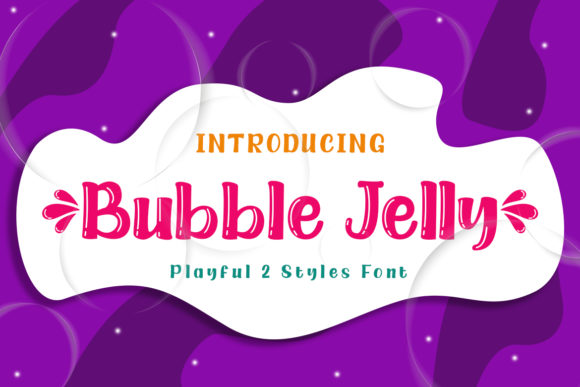
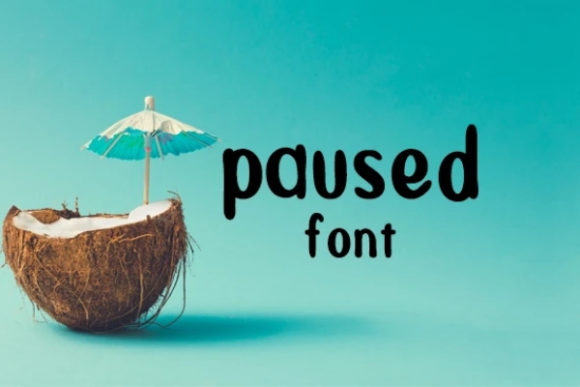
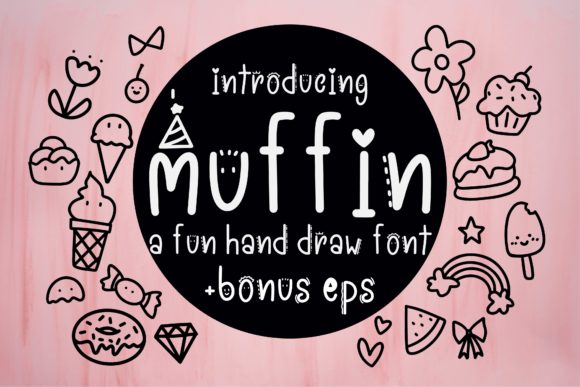
Muffin is more than just a font—it's an expression of childlike playfulness. With its rounded shapes, soft curves, and whimsical appearance, it evokes a sense of joy and innocence. This makes it particularly well-suited for projects aimed at children, educators, or anyone looking to infuse their work with a bit of charm.
The font's versatility allows it to be used in various contexts, from educational materials to branding elements. Its clean yet expressive design ensures readability while maintaining visual appeal. When choosing Muffin for your project, consider how its character aligns with the overall tone and purpose of your content.
Integrating Muffin Into Your Workflow
Using Muffin effectively requires thoughtful integration into your workflow. Here are several ways to incorporate this font into different stages of your creative process:
- Pre-Project Planning: Before starting a new project, select Muffin as part of your design strategy. Think about how it will complement other elements such as colors, images, and layouts.
- During Project Execution: As you develop your content, use Muffin for headings, titles, and key messages. Its playful nature can help draw attention to important information without overwhelming the reader.
- Post-Project Review: After completing your project, review how Muffin contributes to the overall aesthetic. Ensure that it enhances rather than distracts from the message you're trying to convey.
Pairing Muffin with Other Tools and Resources
To maximize the impact of Muffin, consider pairing it with complementary tools and resources. For example, using Muffin alongside bright, cheerful colors or illustrations can amplify its playful effect. Additionally, integrating Muffin into digital platforms like Canva or Adobe Illustrator provides flexibility in how you apply the font across different media types.
When working with Muffin, ensure compatibility with your chosen software. Check if the font supports all the characters you need, especially if you're targeting an international audience. Also, keep in mind that Muffin may not be suitable for long blocks of text due to its display nature. Reserve it for headlines, banners, and other short-form content where its visual appeal can shine through.
Practical Implementation Tips
Here are some practical tips for using Muffin in your projects:
- Use It Sparingly: Since Muffin is a display font, limit its use to key areas where you want to make an impression. Overusing it can lead to cluttered designs that are hard to read.
- Experiment with Sizes and Weights: Try different sizes and weights of Muffin to see what works best for your layout. Larger sizes can create emphasis, while smaller ones can add subtle interest.
- Consider Readability: While Muffin is visually appealing, ensure that it remains legible. Avoid using it in small fonts or low-contrast environments where it might become difficult to read.
- Match with Appropriate Content: Use Muffin for content that benefits from a lighthearted tone. This includes children's books, educational materials, party invitations, and promotional content for family-friendly brands.
Workflow Examples for Different Users
Depending on your role, here are some examples of how you can integrate Muffin into your workflow:
- For Educators: Use Muffin in classroom materials to make learning more engaging. Create posters, flashcards, or worksheets with playful headings that capture students' attention.
- For Marketers: Incorporate Muffin into social media posts, advertisements, or website banners to stand out in a crowded digital space. Its whimsical style can help attract younger audiences or those looking for a more approachable brand image.
- For Designers: Use Muffin as a primary font for logos, packaging, or branding elements that require a friendly and inviting look. Pair it with sans-serif fonts for body text to maintain clarity.
- For Bloggers: Add Muffin to blog headers or section titles to give your content a fresh and vibrant feel. It can help break up long paragraphs and guide readers through your content more easily.
Factors to Consider for Long-Term Use
While Muffin is a versatile font, there are several factors to consider for long-term use:
- Consistency: Maintain consistency in how you use Muffin across all your projects. This helps build a recognizable brand identity and ensures that your designs remain cohesive.
- Quality Control: Always check the quality of your final output when using Muffin. Ensure that it looks good on both digital and print media, and that it doesn't distort or pixelate when scaled.
- Organization: Keep your font files organized so you can easily access and use Muffin whenever needed. Store them in a dedicated folder along with other design assets.
- Efficiency: Streamline your workflow by setting up templates that include Muffin as a default option. This can save time and reduce the need for constant adjustments during the design process.
Final Thoughts on Using Muffin
Incorporating Muffin into your creative or educational projects can bring a refreshing sense of playfulness and charm. By understanding its strengths and limitations, you can use it effectively to enhance your work without compromising readability or professionalism. Whether you're designing for kids, creating marketing materials, or simply looking to add some personality to your content, Muffin offers a delightful way to express your ideas.
As you continue to explore the possibilities of Muffin, remember that the goal is to use it in a way that feels natural and aligned with your overall vision. With careful planning and thoughtful implementation, Muffin can become a valuable asset in your design toolkit.