Elevated: A Playful Font That Adds Personality to Design Projects
Fonts are more than just a way to display text—they're tools that shape the tone, mood, and personality of any design. Among the many options available, Elevated stands out for its unique blend of playfulness and clarity. This display font features bouncy characters that bring a sense of joy and energy to whatever it's applied to. Whether you're working on branding, marketing materials, or digital content, Elevated can help your project stand out in a crowd.
What Makes Elevated Unique?
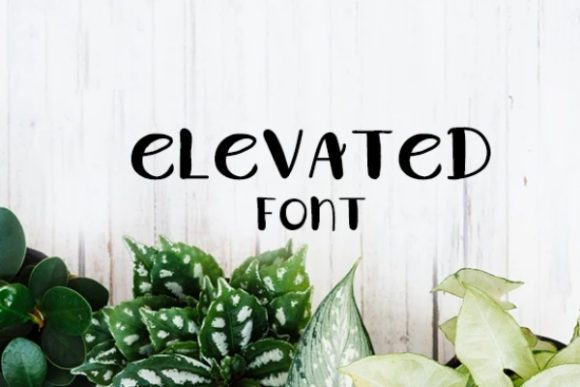
Elevated is a display font designed with a focus on visual appeal and readability. Its characters have a slight bounce and lift, giving them a dynamic feel that can transform even the simplest message into something engaging. The font's playful nature makes it ideal for projects that aim to convey fun, creativity, or approachability.
One of the key aspects of Elevated is its versatility. While it's primarily a display font, it can still be used effectively in body text when paired with a complementary sans-serif or serif font. This flexibility allows designers to use Elevated in a variety of contexts without sacrificing legibility or aesthetic appeal.
How Does Elevated Compare to Other Display Fonts?
When comparing Elevated to other display fonts, it’s important to consider the intended use case. Fonts like Bauhaus 93 or Lobster also offer bold and eye-catching styles, but they often lean more towards a specific aesthetic—either modern minimalism or ornate script. Elevated sits in between, offering a balance between whimsy and professionalism.
For example, if you're designing a children's book cover, a font like Lobster might be more appropriate due to its hand-drawn feel. However, if you're creating a logo for a wellness brand that wants to appear friendly yet trustworthy, Elevated could be a better fit. It brings a sense of lightness and optimism that aligns well with wellness and lifestyle themes.
Another point of comparison is legibility. While some display fonts can become difficult to read at smaller sizes, Elevated maintains a clean structure that ensures readability even when scaled down. This makes it suitable for both large headlines and smaller text elements, depending on how it's used in the design.
Strengths and Tradeoffs of Using Elevated
The primary strength of Elevated lies in its ability to add personality to a design without overwhelming the viewer. Its bouncy characters create a sense of movement and energy that can make a project feel more engaging and memorable. This makes it particularly effective for brands looking to build an emotional connection with their audience.
However, there are tradeoffs to consider. Because of its playful nature, Elevated may not be the best choice for formal or high-stakes environments. For instance, using this font in a legal document or a financial report might come across as unprofessional. In such cases, a more traditional font would be a safer and more appropriate choice.
Additionally, while Elevated is highly readable in most situations, it may not be the best option for long-form text. For body copy, it's advisable to pair it with a more straightforward font that supports extended reading sessions. This ensures that the overall design remains functional and user-friendly.
Best-Fit Situations for Elevated
Elevated shines in scenarios where a touch of playfulness is desired without compromising clarity. Some of the best-fit situations include:
- Branding and Logos: Elevated can help create a memorable and approachable brand identity, especially for companies targeting younger audiences or those in the entertainment, education, or wellness industries.
- Marketing Materials: From flyers to social media posts, Elevated adds a sense of excitement and energy that can help capture attention in a crowded market.
- Event Invitations: Whether it's a birthday party or a corporate event, Elevated can give invitations a lively and inviting feel.
- Children's Products: Toys, books, and educational materials benefit from the font's cheerful and friendly appearance.
On the other hand, Elevated may not be the best choice for projects that require a serious or minimalist tone. In these cases, opting for a more neutral or structured font would be more appropriate.
Realistic Examples and Practical Comparisons
To understand how Elevated performs in real-world applications, consider the following examples:
Example 1: Branding a New Coffee Shop
A local coffee shop named "Brew Haven" wants a logo that feels welcoming and energetic. By using Elevated for the main title, the logo conveys a sense of warmth and fun, which aligns with the brand's mission to create a cozy and joyful environment for customers.
Example 2: Social Media Campaign
A fitness influencer launching a new workout program uses Elevated for their campaign headings. The font's playful nature helps create a sense of motivation and positivity, encouraging followers to engage with the content.
Comparison with Another Font:
If the same fitness influencer were to use a font like Raleway, the result would be more professional and sleek. While this might suit a more mature audience, Elevated offers a different vibe that could be more appealing to a younger demographic or someone looking for a more vibrant look.
When to Choose Elevated and When to Look Elsewhere
Choosing the right font depends largely on the project's goals and the target audience. If your goal is to create a lighthearted and engaging design, Elevated is an excellent option. However, if the context requires a more serious or formal tone, it may be better to explore other alternatives.
Consider factors such as the industry, the audience, the message, and the overall design style before making a decision. Elevated works best when used strategically, complementing rather than overpowering the rest of the design.
In conclusion, Elevated is a versatile and expressive font that can elevate the visual impact of your design projects. Its playful character and readability make it a great choice for a wide range of applications. However, it's essential to match it with the right context and purpose to ensure it enhances rather than distracts from your message.